
Blog
Plant-Based Gummies: Trends in Vegan Nutrition
September 30, 2022
Plant-based gummy manufacturing is on the rise as companies embrace the shift towards vegetarian and vegan diets.


Over the past few years, the number of U.S. consumers who have adopted plant-based diets has been increasing. In 2004, just over a quarter million people were interested in plant-based diets; now, over 9.7 million Americans identify as vegan. An even higher population of consumers consider themselves vegetarians, roughly 5% of the U.S. population.
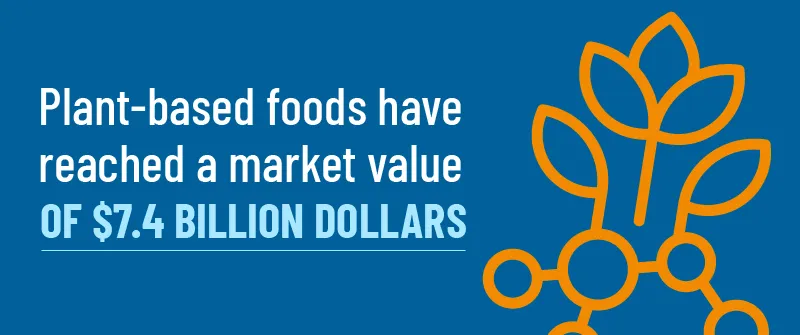
Vegetarian and vegan trends have led to an increased demand for plant-based alternatives, leading to a 6.2% growth in 2021 as plant-based foods have reached a market value of $7.4 billion in the United States. By 2030, projections expect plant-based foods to be valued at over $162 billion globally.
So, what are companies doing to embrace this shift towards vegetarian and vegan diets? They are replacing animal by-product ingredients with those that come from plants. When it comes to the business of making gummies, an animal by-product called gelatin is used to provide structure and texture, leading companies to experiment with other ingredients to create a vegan-friendly solution.
To be true vegan gummies, there must be absolutely no animal by-products of any sort.
Pectin has become a popular vegan alternative to gelatin since it is sourced from the peels of citrus fruits. It has the same ability to form a gel as gelatin, making it a great choice for making vegan gummies.
One of the best features of pectin is its high melting temperature, allowing the gummy to remain stable in high heat and high humidity environments, oftentimes found throughout transportation and distribution in certain geographies. Pectin can also be manufactured to allow for flexibility in setting temperatures, as well as providing a clean bite to the gummy.
With the increase in plant-based lifestyles, product developers and formulators have an opportunity to change up their formulas, often needing to go back to the benchtop to incorporate claims that consumers are demanding, such as non-GMO, plant-based, and organic ingredients. Pectin enables manufacturers to embrace these shifts relatively easily so they can provide products with all the clean label claims that consumers are searching for.
With the increasing demand for gummies, so comes the demand for vegan alternatives. Currently, pectin only makes up 3% of the globe’s usage of non-starch hydrocolloids, the ingredient that thickens a recipe, while gelatin makes up 23%. But with the number of people adopting vegetarian or vegan diets increasing, an increased need for pectin will soon follow. By adopting pectin, manufacturers can assess how the new ingredient will benefit their process and affect the final product.
Food, personal care, and even toothpaste can contain animal by-products and vegans are on the search for alternatives to these items and manufacturers are preparing different formulas to accommodate. Vegan trends are disrupting the market, and pectin is just one of the first to see drastic changes in the supply chain.
Vegetarian and vegan trends have led to an increased demand for plant-based alternatives, leading to a 6.2% growth in 2021 as plant-based foods have reached a market value of $7.4 billion in the United States. By 2030, projections expect plant-based foods to be valued at over $162 billion globally.
So, what are companies doing to embrace this shift towards vegetarian and vegan diets? They are replacing animal by-product ingredients with those that come from plants. When it comes to the business of making gummies, an animal by-product called gelatin is used to provide structure and texture, leading companies to experiment with other ingredients to create a vegan-friendly solution.
What Makes Gummies Vegan?
Gelatin is used to create the gel-like, elastic texture associated with gummies. However, as mentioned above, gelatin is of animal origin, thereby eliminating any consumer products containing this ingredient from vegans’ and vegetarians’ diets. This is where pectin comes in.To be true vegan gummies, there must be absolutely no animal by-products of any sort.
Pectin has become a popular vegan alternative to gelatin since it is sourced from the peels of citrus fruits. It has the same ability to form a gel as gelatin, making it a great choice for making vegan gummies.
What does Pectin do for Gummies?
Pectin-based gummies have become the popular substitute to make vegan gummies, but what makes pectin the best choice?One of the best features of pectin is its high melting temperature, allowing the gummy to remain stable in high heat and high humidity environments, oftentimes found throughout transportation and distribution in certain geographies. Pectin can also be manufactured to allow for flexibility in setting temperatures, as well as providing a clean bite to the gummy.
With the increase in plant-based lifestyles, product developers and formulators have an opportunity to change up their formulas, often needing to go back to the benchtop to incorporate claims that consumers are demanding, such as non-GMO, plant-based, and organic ingredients. Pectin enables manufacturers to embrace these shifts relatively easily so they can provide products with all the clean label claims that consumers are searching for.
How is this affecting the Gummy Supplement Market?
In recent years, a new phenomenon known as “pill fatigue” has emerged due to the number of tablets or capsules adults take daily. Many consumers are looking to reduce their consumption and by doing so have created an increased demand for an alternative form, such as gummies. With 80% of the market comprised of adults, the industry has recognized gummies as an alternative delivery format. It is now focusing on making compliance easier and more enjoyable for the consumer. In 2020, the global gummy market was valued at USD 16.28 billion, and projections show a 12.6% compound annual growth rate from 2020 to 2028. The United States leads the market in terms of overall revenue share.With the increasing demand for gummies, so comes the demand for vegan alternatives. Currently, pectin only makes up 3% of the globe’s usage of non-starch hydrocolloids, the ingredient that thickens a recipe, while gelatin makes up 23%. But with the number of people adopting vegetarian or vegan diets increasing, an increased need for pectin will soon follow. By adopting pectin, manufacturers can assess how the new ingredient will benefit their process and affect the final product.
Plant-Based Trends
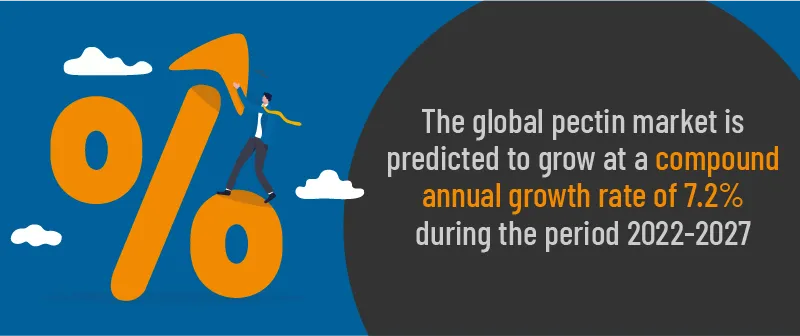
Gummies are not the only product that utilizes pectin; the pharmaceutical and medical industries also use the ingredient to make soft gels, capsules, and other items. The global pectin market is predicted to grow at a compound annual growth rate of 7.2% during the period 2022-2027.Food, personal care, and even toothpaste can contain animal by-products and vegans are on the search for alternatives to these items and manufacturers are preparing different formulas to accommodate. Vegan trends are disrupting the market, and pectin is just one of the first to see drastic changes in the supply chain.